Sr. Technical Manager UI/UX → Lead Fintech · BFSI · EdTech · Commodities Publicly listed (NSE: 3IINFOLTD) 2018 — 2024

Six years leading design across fintech, EdTech and commodity trading at a publicly listed enterprise software company.

3i Infotech (NSE: 3IINFOLTD) operates across BFSI, EdTech, GRC, and commodity trading. Over six years I led design on five flagship products — including DMCC's blockchain-based commodity exchange, the NuRe Campus higher-ed platform, and a NextGen GRC SaaS — mentored 4 designers, and built the first cross-product design system inside a 20-year-old codebase.

Role
Sr. Technical Manager UI/UX → Lead
5 flagship products
Team
Mentored 4 designers
Partnered with 60+ engineers
Duration
Feb 2018 — Sep 2024
(6.5 years)
Outcome
3 named flagship products shipped
1 cross-product design system
01 · Problem

Five flagship products. Three industries. Twenty years of UI debt and zero shared language.

3i Infotech is a publicly listed enterprise software company (NSE: 3IINFOLTD) with a portfolio that spans BFSI, EdTech, governance & compliance, and commodity trading. Each product line had grown organically since the early 2000s, with different teams, different conventions, and different visual languages. A client buying two modules ended up with two incompatible UIs, two training programmes, and two sets of cosmetic complaints in every RFP.

When I joined in 2018, design sat downstream of engineering: dev shipped, design polished, and neither side owned the overall experience. Over six years my remit expanded from "redesign a screen" → "own UX for a product" → "own the cross-product system and mentor the team."

"Every client demo started with an apology — 'I know this product looks different from the last one we showed you, we're working on it.' We needed that apology to go away." — VP Products, first year kickoff

Core problems:

  • Visual fragmentation across 5 products serving overlapping enterprise customers.
  • Dense, legacy screens — built for keyboard power-users, impenetrable to new joiners.
  • No research function. Feature decisions were made by sales + engineering, with no end-user input in the loop.
  • Tall stakes for every change. Core banking can't ship a broken form. A trading platform can't ship a misleading price. A campus system can't ship an inaccessible exam screen.
02 · Process

Small, high-trust wins. Then a shared system. Then mentoring the next layer.

In a 20-year-old codebase with 60+ engineers, a big-bang redesign is career suicide. I played a long game: pick small, highly-visible flows, ship measurable wins, and use those wins as political capital for bigger system work. By year 4, that capital paid for the cross-product design system and a research function that hadn't existed before.

  • Year 1–2 — Quick wins inside flagship banking screens. The teller transaction flow was the trojan horse. Reduced clicks per transaction by ~30%. Demos got measurably easier.
  • Year 2–3 — Brought research in. Field studies in 4 banks, contextual interviews with compliance officers, the first personas + journey maps the org had ever seen.
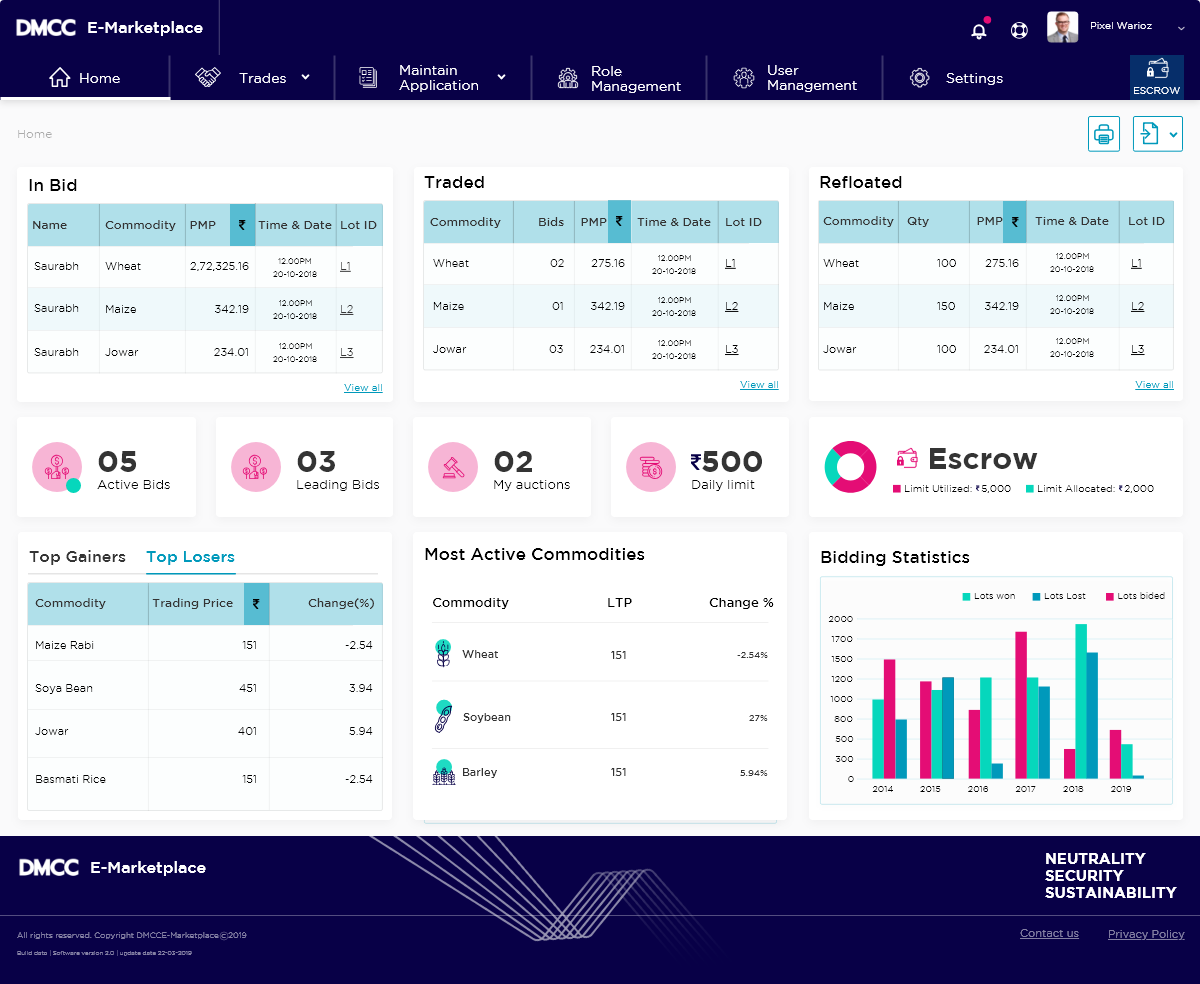
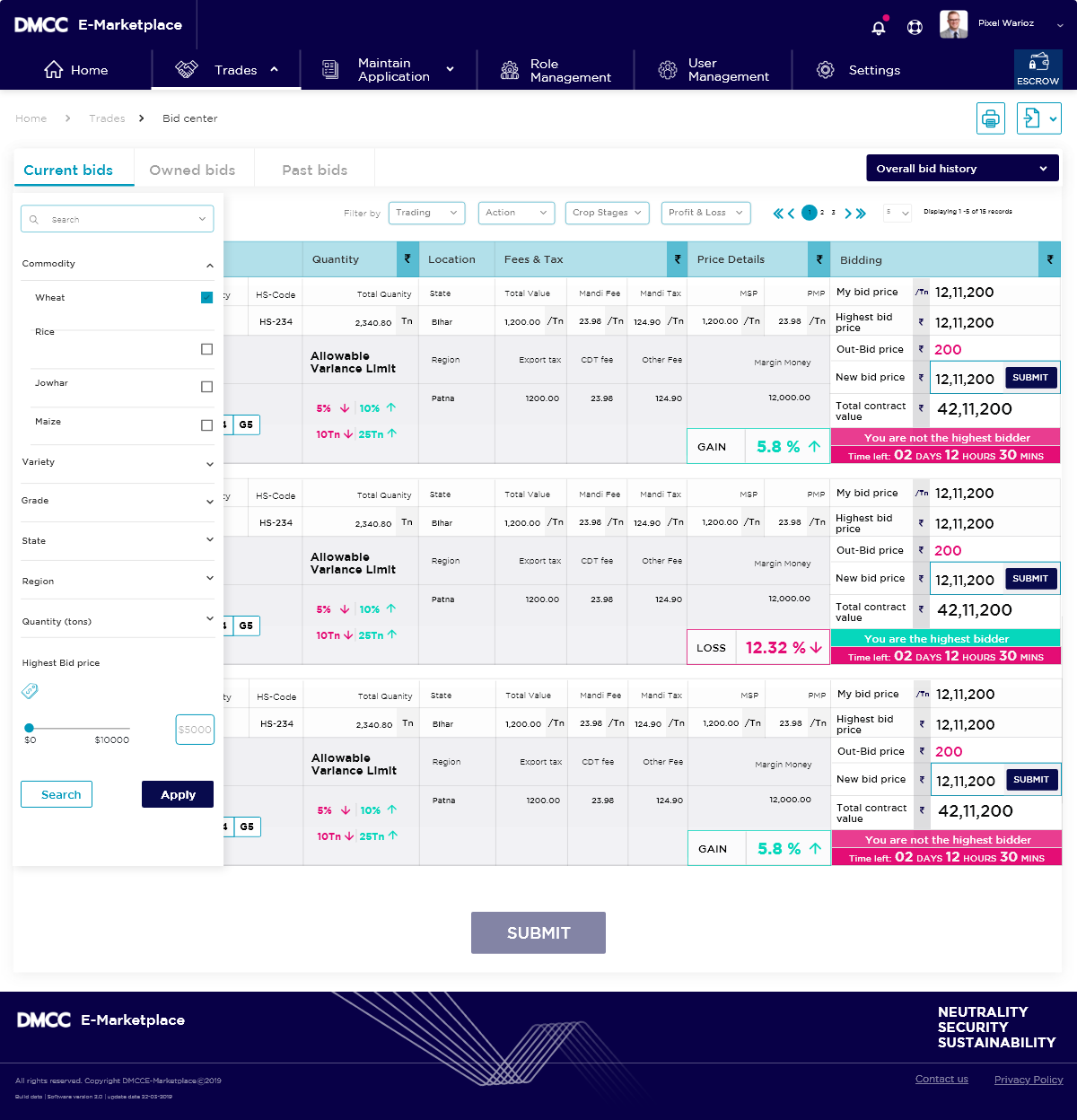
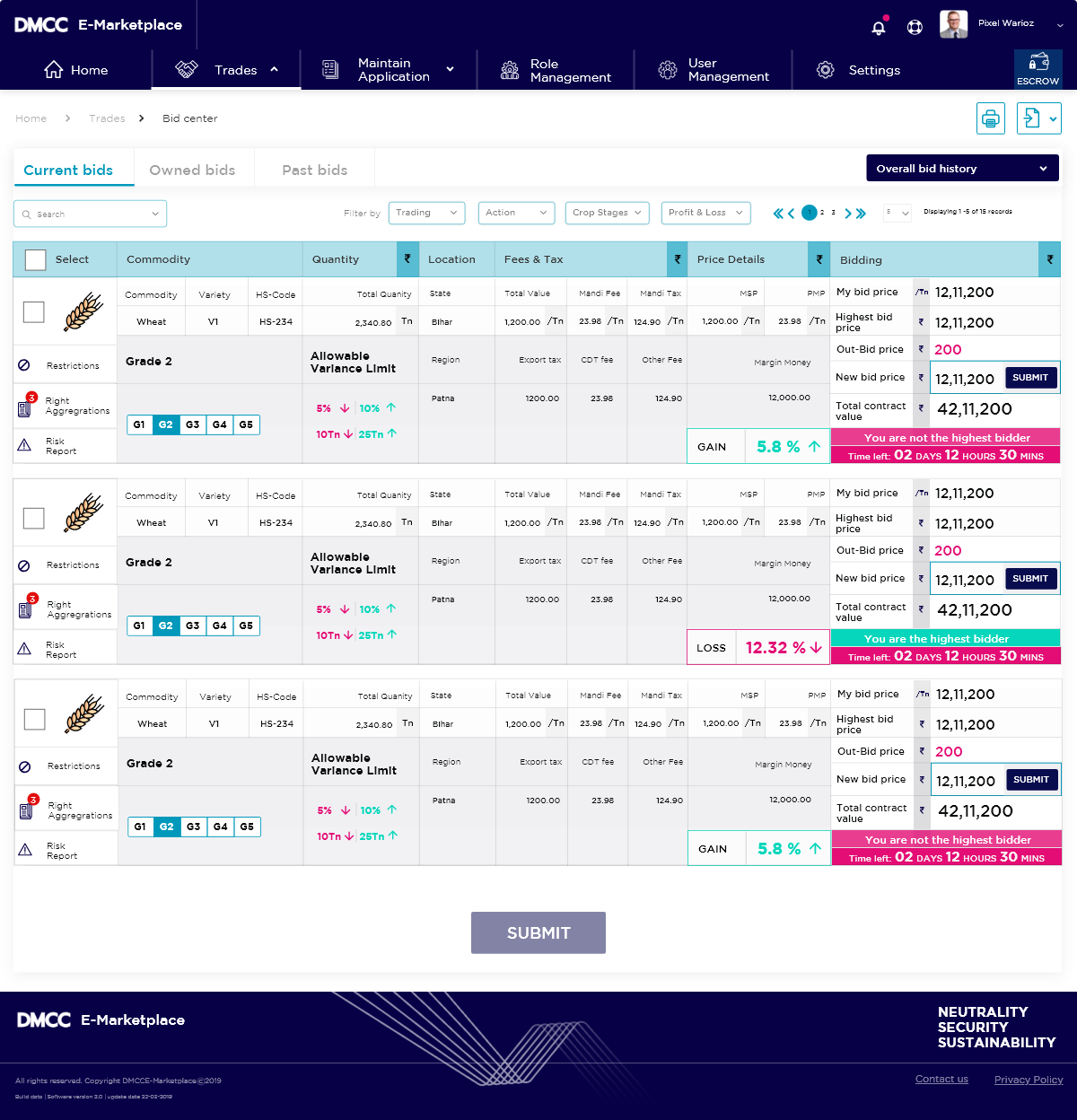
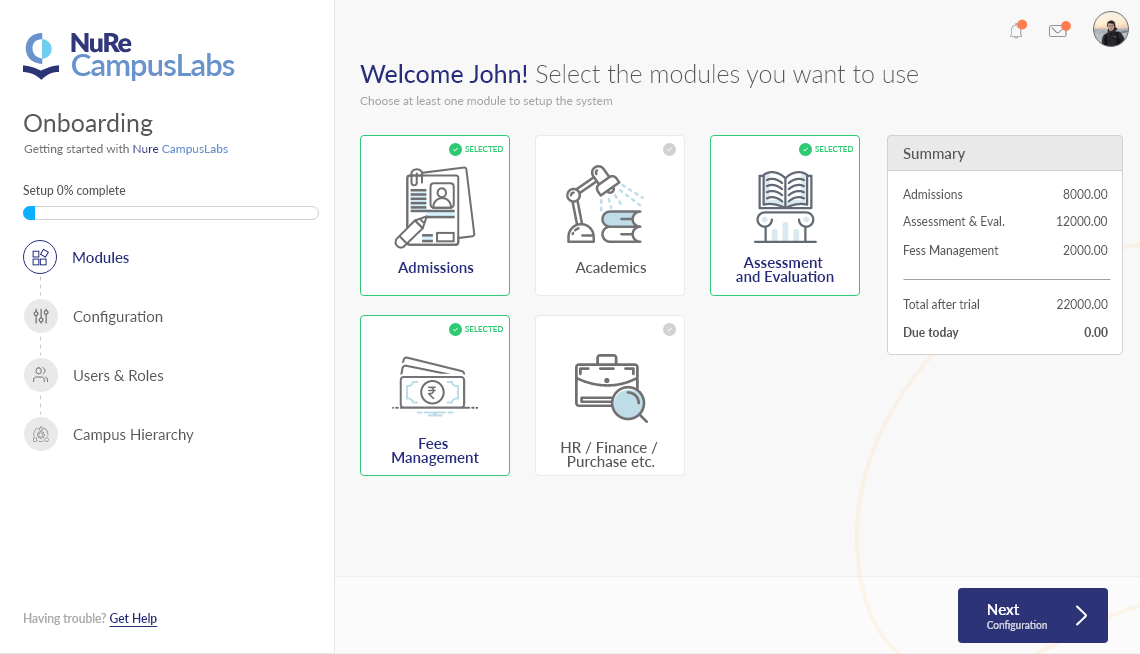
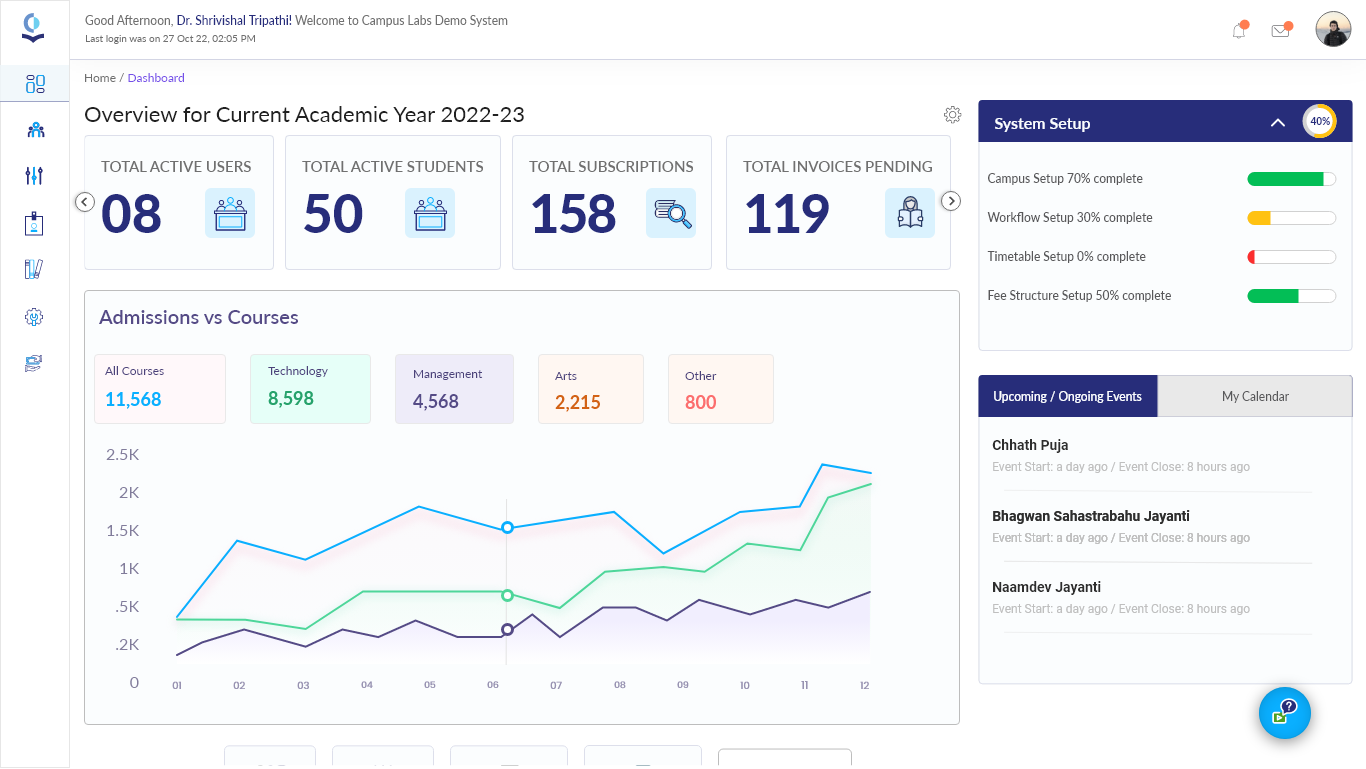
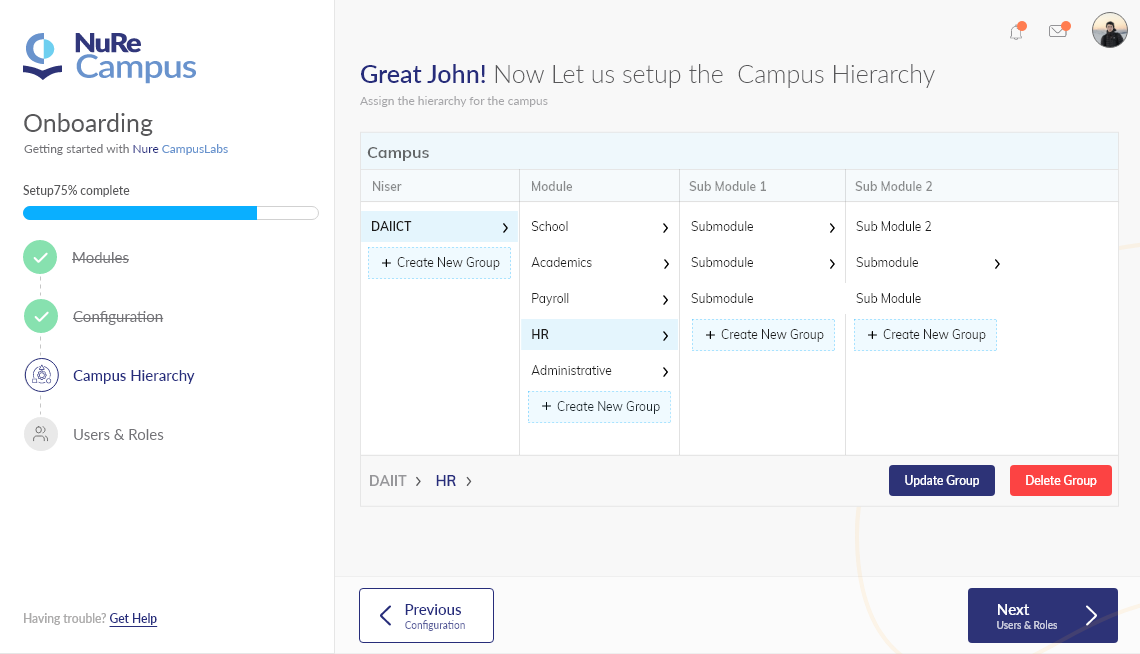
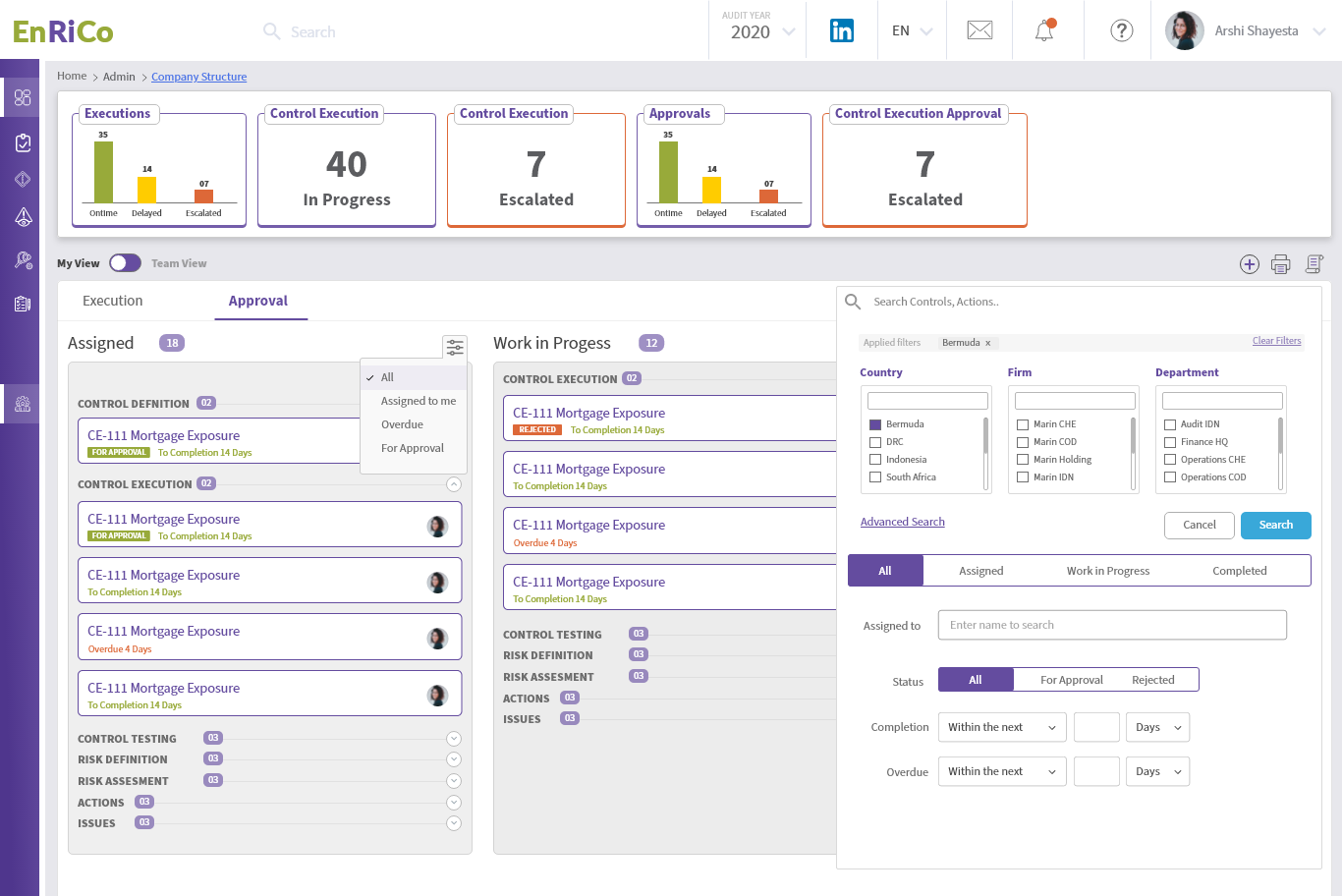
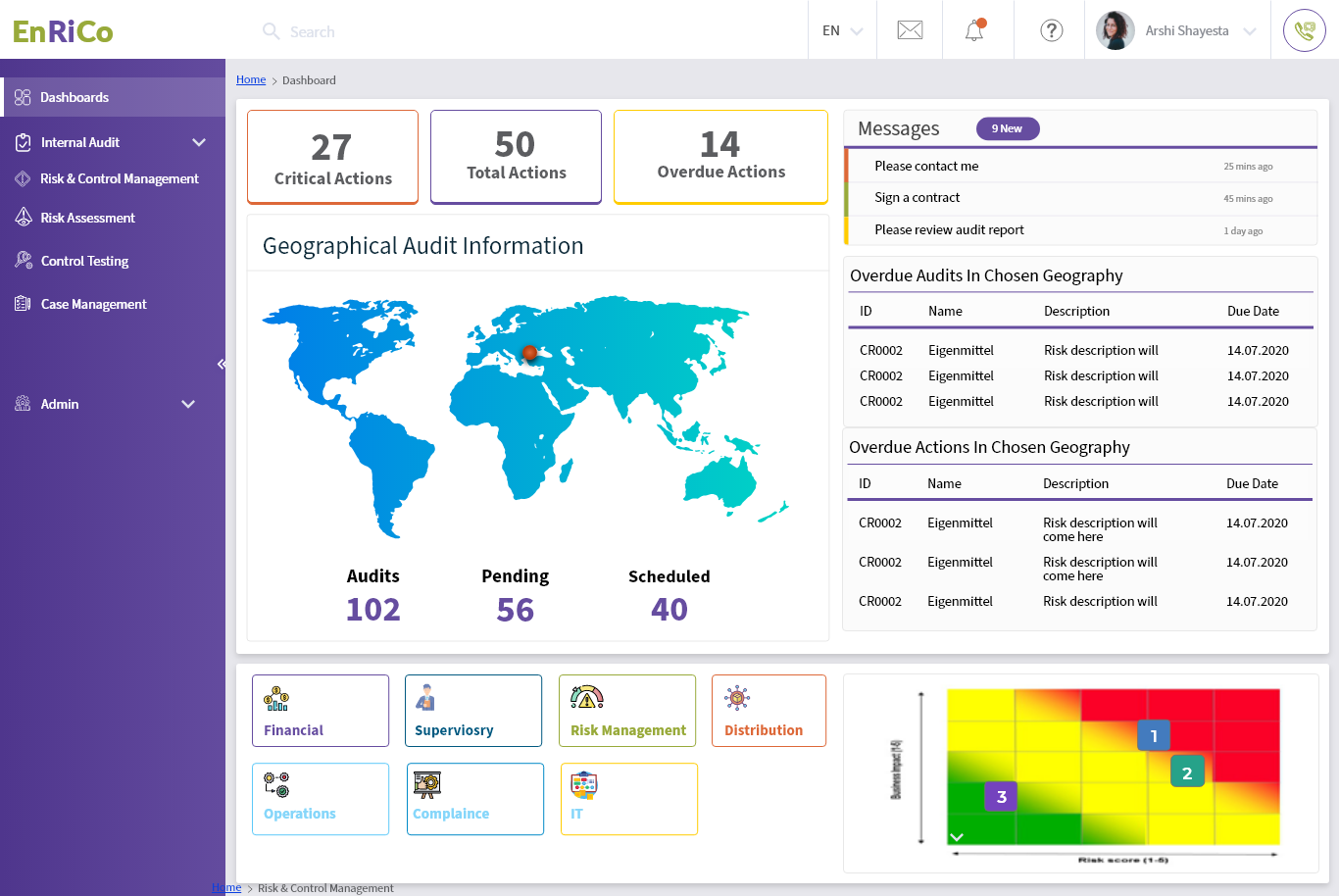
  • Year 3–4 — Took on DMCC's commodity trading platform end-to-end. Then the NuRe Campus EdTech product. Then the NextGen GRC SaaS. Three different industries, one design language.
  • Year 4–5 — Proposed and built the cross-product design system. Got buy-in by showing side-by-side before/afters in a client pitch.
  • Year 5–6 — Mentored 4 designers. Represented design in RFP responses and client workshops. Stepped back from making every screen.
2018 2019 2020 2021 2022 2024 Y1 · QUICK WIN Teller flow redesign −30% clicks / txn Y2 · RESEARCH 4 bank field studies Personas · journey maps Y3 · DMCC + NURE Commodity + EdTech End-to-end UX Y4 · DESIGN SYSTEM Cross-product tokens Shared components Y5-6 · GRC + LEAD NextGen GRC · Scale Mentored 4 designers
Six years, compounding

Small wins first, system second, leverage third

The year-1 teller redesign was the trojan horse. Once operations could show measurable reductions, leadership signed off on cross-product system work that had been blocked for years.

By year 4, the system had enough gravity that new products — DMCC, NuRe Campus, NextGen GRC — launched on it by default. That's when I could step back from making every screen and start mentoring the team.

03 · Featured Projects

Three products. Three industries. One design language.

Of the five flagship products I led design on at 3i Infotech, three are public enough to talk about by name. They sit in different industries — commodity trading, higher education, governance & risk — but the design problems rhyme: dense data, regulated workflows, multiple stakeholder roles, and a need to make the right decision visible without dumbing the system down.

04 · Design system

The first shared language across 5 products and 3 industries.

The system had to serve three contradictions at once. Density — risk officers and compliance teams scan hundreds of rows a day. Clarity — bank tellers and university students touch the product for the first time with minimal training. Trust — commodity traders and risk officers will not accept a system whose state they cannot independently verify. The solution was a dual-density grid, strict type hierarchy, a colour palette tuned for long-session screen reading on low-grade branch monitors, and an explicit "system state" pattern used everywhere automation was involved.

brand.primary
#3A7BD5
surface.deep
#0E1824
surface.paper
#F6F7FA
semantic.ok
#5FC975
semantic.warn
#E8A34C
semantic.danger
#E87070
Products covered
5 flagship products · Core Banking, DMCC Commodity Exchange, NuRe Campus, NextGen GRC, Trading
Components
180+ shared components · 2 density modes · light + dark for trading desk
Iconography
440 custom icons covering banking, payments, trading, compliance semantics
Localisation
RTL support (Arabic markets) · 12 language bundles · digit + currency formatting tokens
Compliance
WCAG AA minimum · critical flows validated with screen-reader user testing
Before
Kastle Universal Banking · [DEV] File Edit View Account Customer Reports Window Help Account No: CIF: Branch: Name: DOB: Txn Type: Amount: Curr: Remarks: SrDateNarrationRefDebitCredit 114/03/21NEFT/HDFC/...N342118,400 214/03/21CASH DEPC002150,000 315/03/21CHQ CLGQ881212,100 415/03/21IMPS/AXIS/...I99218,000 516/03/21BRANCH TXNB01122,400 Post (F5) Print (F6) Hold Cancel Sign Off
Teller screen · 2018 (pre-redesign)
After
Teller · BR-0214 SESSION · 02:14 Customer Transaction Review Post TRANSACTION TYPE Deposit Withdrawal Transfer AMOUNT ₹ 50,000.00 ACCOUNT BOBIN THOMAS •••• 4421 · SB · BR-0214 AVAILABLE BALANCE ₹ 2,48,102.50 Review & post →
Teller screen · 2022 (post-redesign)
05 · Intelligence layer

Where we could ship AI without scaring the compliance team.

Core banking is the wrong place to ship experimental AI. Explainability, auditability, and regulatory reporting matter more than cleverness. So we picked surfaces where AI could be advisory, fully auditable, and reversible — never autonomous.

✦ Compliance

AML transaction scoring

Surfaces risky transactions with an explainer trail: "flagged because X similar pattern, Y geography, Z velocity." Officer decides; model learns from outcome.

DecisionAlways human
Audit trailEvery step logged
✦ Case ops

Case triage & SLA prediction

Predicts SLA breach risk on open cases, sorts the queue by "needs attention now." Ops lead sees a ranked list, not a magic resolution.

DecisionOps routes
SLA breach−22%
✦ Channels

NL search on customer data

Relationship managers ask: "show me customers with 3+ declined txns this month." Query → filtered CIF list with a visible SQL preview.

DecisionUser confirms
Query → list~2s
✦ Trading

Anomaly nudges on trade blotter

Flags fat-finger risk, off-book prices, and stale positions as a sidebar nudge — not a block. Trader can dismiss or investigate.

DecisionAdvisory only
False-positive rate< 8%
06 · What I owned

Individual contributor → team lead, across six years.

Product coverage
5 flagship products across 3 industries — DMCC Commodity Exchange, NuRe Campus EdTech, NextGen GRC, Core Banking, Trading
Design system
Proposed, secured budget for, and built the first cross-product DS — 180+ components, 440 icons, RTL, i18n
Research
Established the research function — field studies in 4 banks, contextual interviews, journey maps, personas
People
Mentored 4 designers · led hiring, 1:1s, career planning; two now mid-level designers at other fintechs
Commercial
Represented design in RFPs + client workshops — contributed to 3 bank wins where design was a named differentiator
Stakeholders
Monthly reviews with VP Products, quarterly with CTO; annual roadmap input
07 · Outcomes

The numbers from six years.

Illustrative numbers — I'll swap in verified figures before publishing.

5
FLAGSHIP PRODUCTS
ACROSS 3 INDUSTRIES
3
PUBLIC FLAGSHIPS
DMCC · NURE · GRC
−30%
TELLER CLICKS
PER TRANSACTION
−22%
CASE SLA BREACHES
POST AI TRIAGE
180+
SHARED COMPONENTS
ACROSS 5 PRODUCTS
440
CUSTOM BANKING
ICONS LIBRARY
4
DESIGNERS MENTORED
TWO PROMOTED OUT
3
RFP WINS WHERE
DESIGN NAMED
08 · Reflections

What a 6-year arc at a listed fintech taught me.

DO AGAIN

Earn trust before asking for scope. The year-1 teller redesign paid for every year-3 system decision. Fast wins buy slow systems.

DO AGAIN

Bring research in early, even without a title or budget. Shadowing four branches reframed every design conversation for the rest of my tenure.

DO AGAIN

Keep AI advisory in regulated domains. "Ranked list + explainer + human decides" beat any autonomous system we prototyped.

DO AGAIN

One design language across three industries. The cross-product system worked because it solved a real shared problem — dense data, regulated workflows, multiple roles — not because we forced consistency. DMCC traders and NuRe students never met, but the same components served both.

DIFFERENTLY

Documented the DS rationale sooner. When I left, the components were strong but the why behind them lived in my head and Slack threads.

DIFFERENTLY

Pushed harder for a named product analytics tool. We instrumented ad-hoc and missed chances to prove our wins quantitatively.

LESSON

Mentoring is not a side project. The two designers who thrived did so because I made mentoring a scheduled 4hrs/week; the two who didn't were victims of me context-switching. Structure beats intent.